


🔬Scientific name: Cryptanthus bivittatus (Family: Bromeliaceae)
🌍 Origin: The Earth Star Bromeliad originates from the tropical forests of eastern Brazil, particularly the Atlantic Forest. Unlike most bromeliads, it is terrestrial, growing in soil on the forest floor. Its flat, star-shaped rosette evolved to capture light in the dappled shade of its native habitat, where warmth and humidity are abundant.
Lighting
Lighting requirement: Bright, indirect light
It thrives in bright, indirect light and can also tolerate partial shade. Indoors, it does best near an east or west-facing window where it receives filtered sunlight. While some varieties can adapt to lower light, vibrant leaf colours especially reds and pinks—are more pronounced with brighter exposure. However, direct midday sun should be avoided, as it can scorch the foliage. Outdoors, place it in a shaded or semi-shaded area. If leaf colour fades or growth becomes leggy, it’s a sign the plant may need more light.
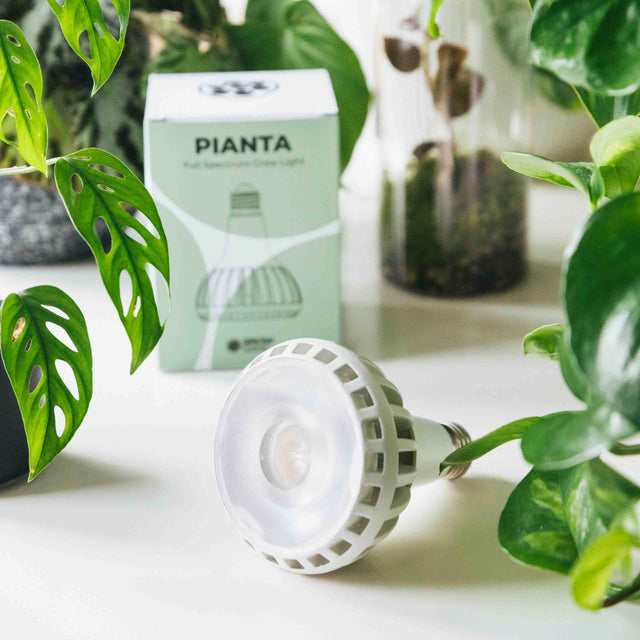
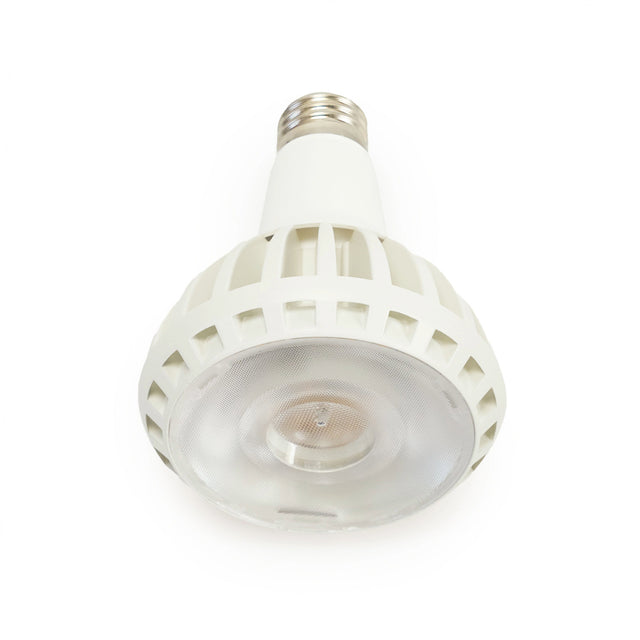
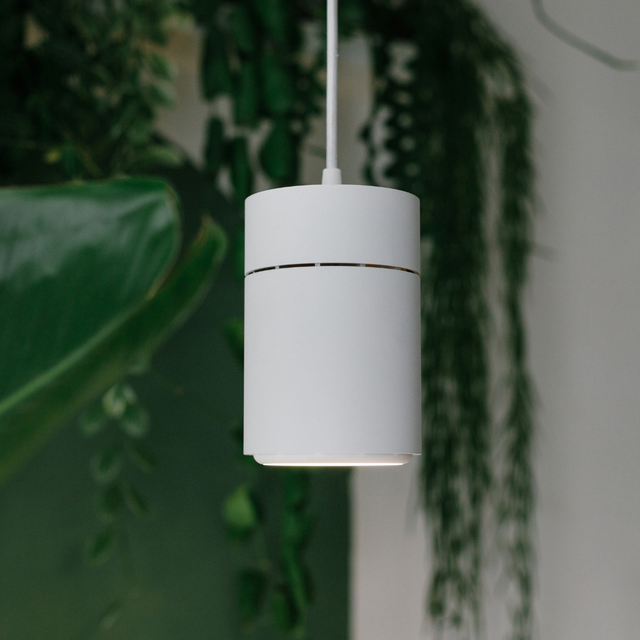
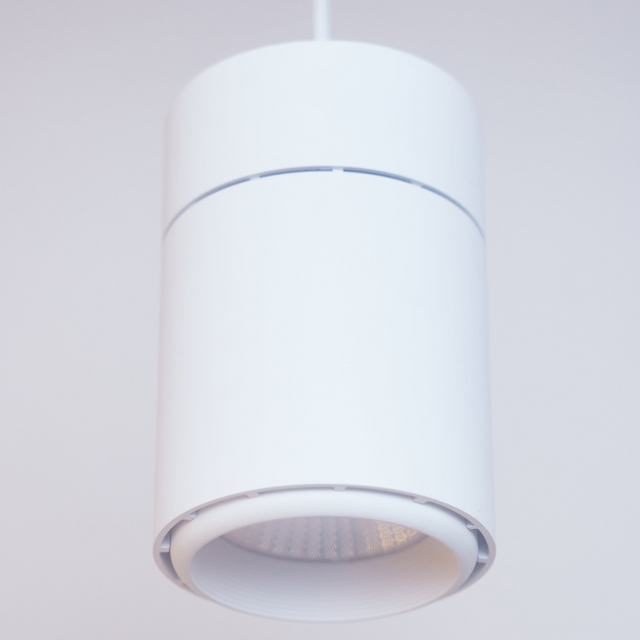
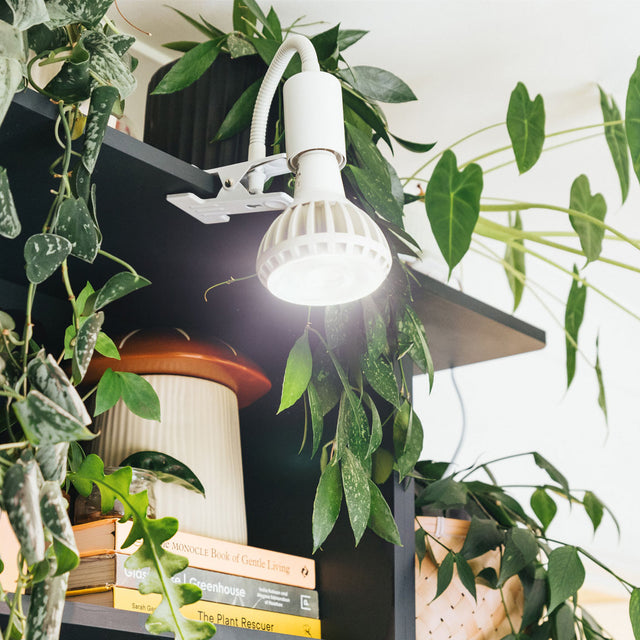
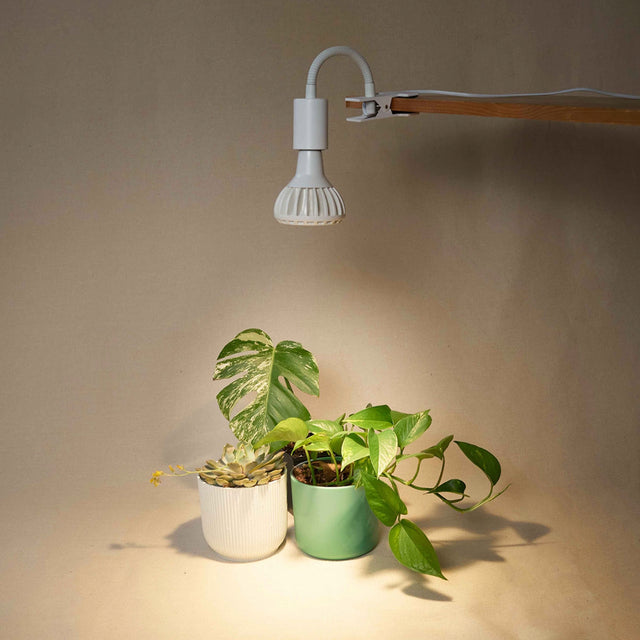
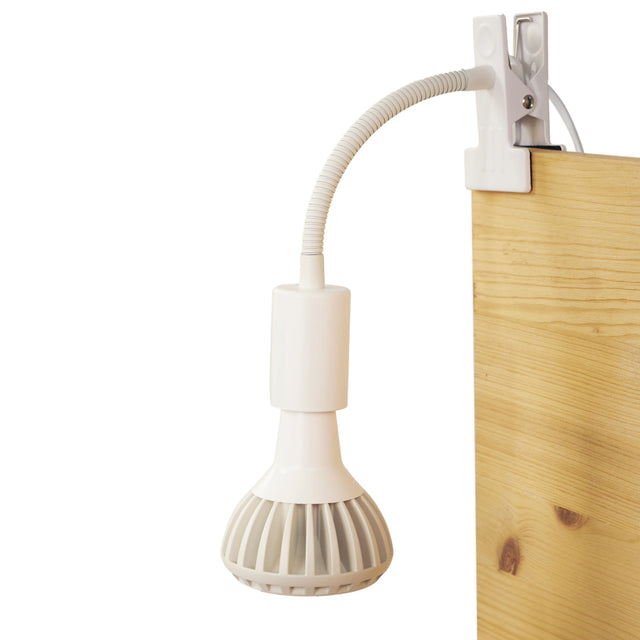
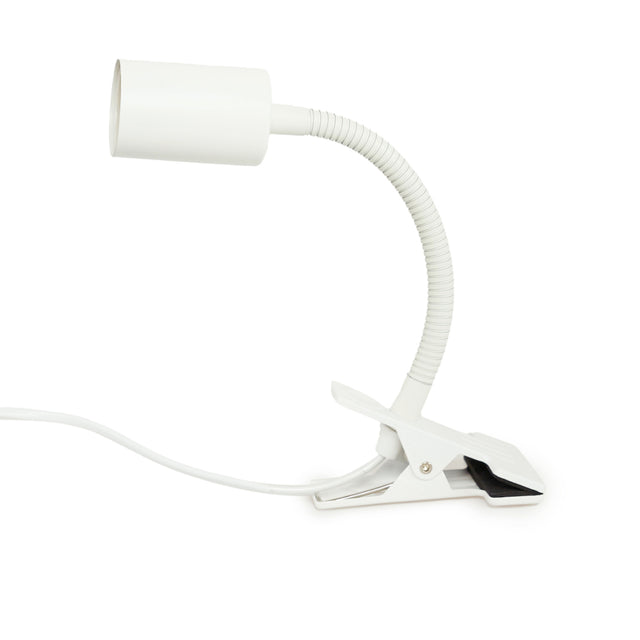
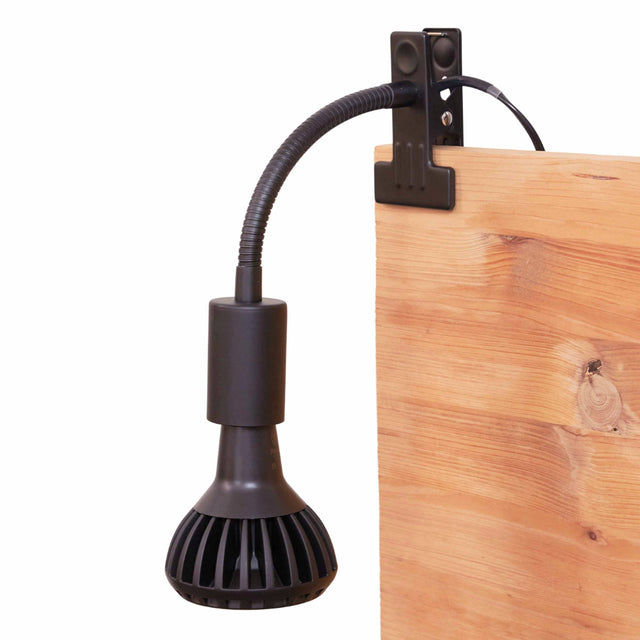
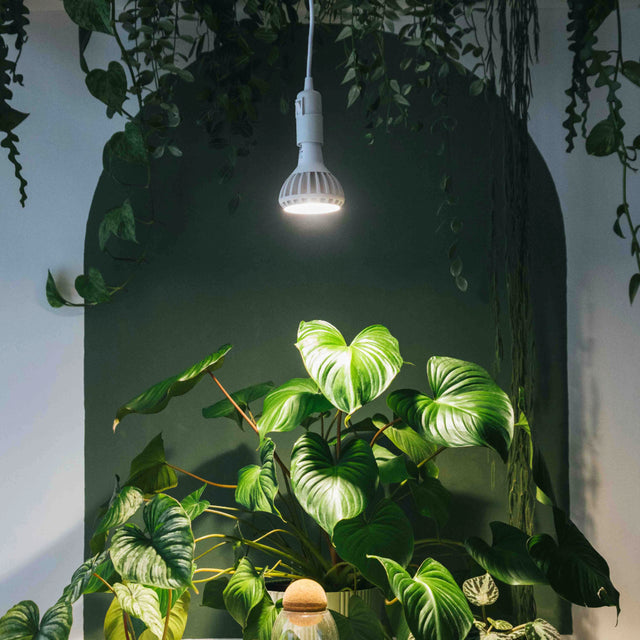
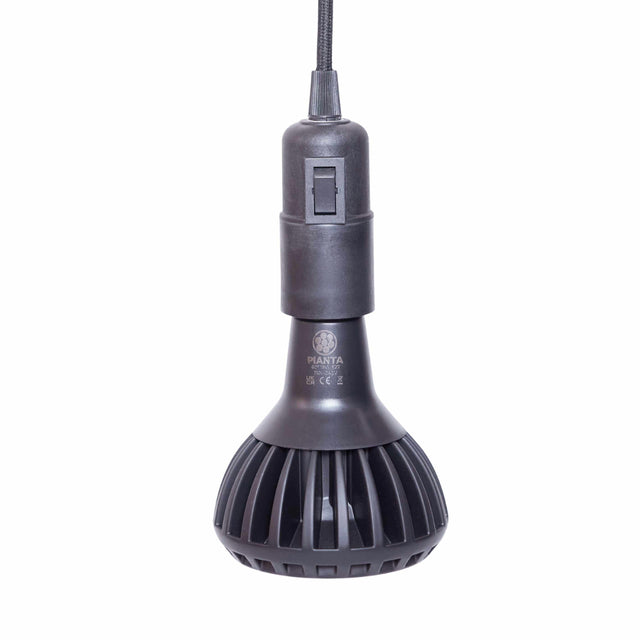
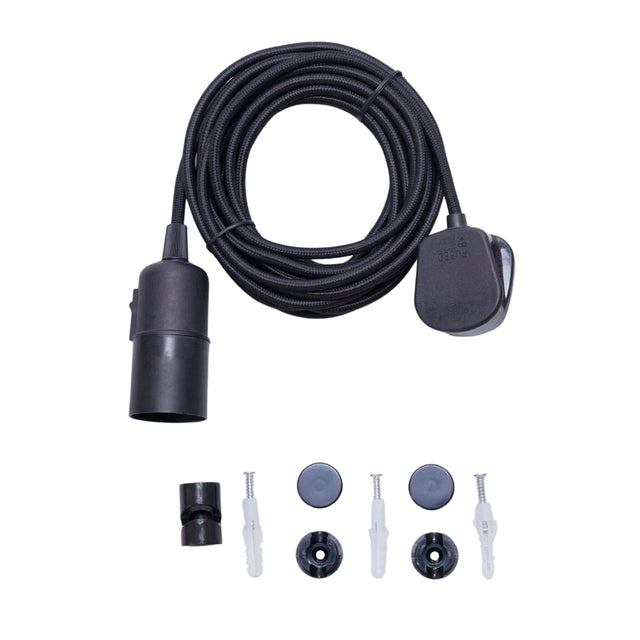
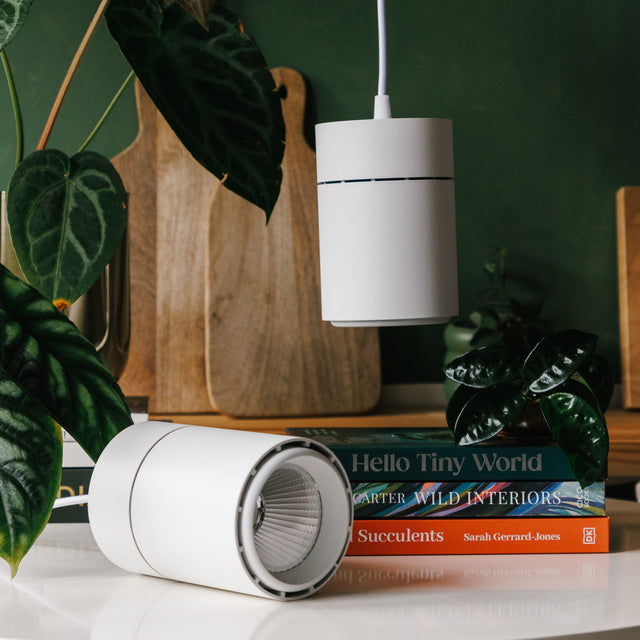
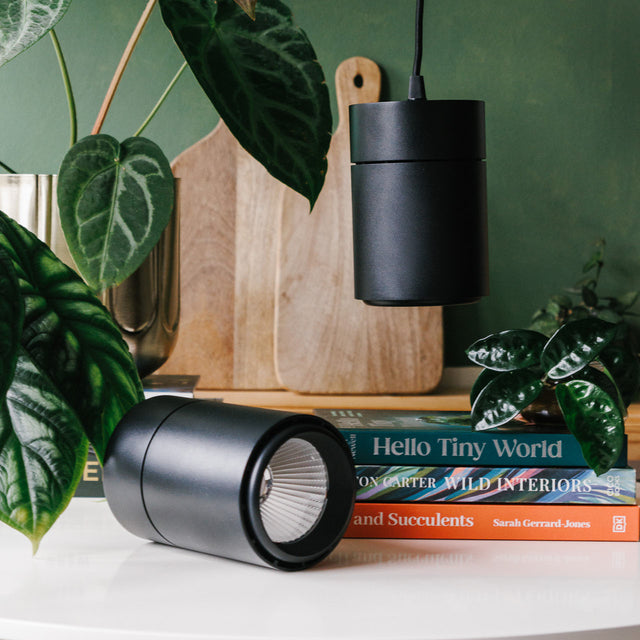
To keep an Earth Star Bromeliad healthy, you should aim for about 12 to 14 hours of light per day using a full-spectrum LED grow light that mimics natural sunlight.
Watering:
The Earth Star Bromeliad prefers consistently moist but not soggy soil. Water the plant when the top inch of soil feels dry, usually every 5–7 days during the growing season, and less frequently (around 10–14 days) in cooler months. Always use room-temperature water, and make sure the pot has good drainage to prevent root rot.
Avoid letting the soil completely dry out, but also never let it stay soggy. Yellowing leaves or a mushy base may indicate overwatering, while dry, crispy tips can mean it’s not getting enough moisture or humidity.
Humidity
This plant thrives in moderate to high humidity, ideally between 50% and 70%. As a tropical plant native to the humid forests of Brazil, it benefits greatly from a consistently moist atmosphere.
If your indoor environment is dry, especially during winter or in air-conditioned spaces—consider boosting humidity by:
- Using a humidifier
- Placing the plant on a pebble tray with water (without letting the pot sit in water)
- Grouping it with other plants to create a more humid microclimate
While Earth Stars are somewhat adaptable, low humidity can lead to browned or crispy leaf edges, especially in thinner-leaved varieties. Maintaining proper humidity helps the plant retain its vibrant colour and healthy leaf texture.
Fertiliser:
The Earth Star Bromeliad has relatively low fertiliser needs but benefits from light, consistent feeding during the growing season. A balanced, water-soluble fertiliser diluted to half or even quarter strength, should be applied every 4 to 6 weeks in spring and summer. Since it absorbs nutrients through its roots, fertiliser should be applied directly to the soil rather than the foliage. Feeding can be reduced or paused during autumn and winter when the plant’s growth naturally slows. Over-fertilising should be avoided, as it can lead to salt buildup or scorched leaf tips, so a gentle, minimal approach is best to support healthy growth and vibrant colour.
Temperature:
It thrives in warm, stable temperatures between 15°C to 27°C. It prefers a consistently warm environment and does not tolerate cold well. Exposure to temperatures below 10°C can damage the plant, causing wilting, discoloration, or slowed growth. It’s important to keep it away from cold drafts, air conditioning vents, or windowsills during winter. While the plant can handle short periods of heat, temperatures above 30°C may cause stress unless humidity is sufficiently high. For optimalhealth, maintaina tropical indoor climate with steady warmth year-round.
Troubleshooting and Pests:
This plant is generally low-maintenance, but like any houseplant, it can occasionally face issues with pests and care-related problems. Common pests include mealybugs, scale, and fungus gnats—typically appearing when the plant is overwatered or placed in overly humid, stagnant conditions. These can be managed by wiping leaves with a damp cloth, using insecticidal soap, or applying neem oil.
In terms of troubleshooting, yellowing or wilting leaves may indicate overwatering or poor drainage, while browned or crispy edges often point to low humidity or inconsistent watering. If the plant's vibrant leaf colour fades, it’s usually due to insufficient light. On the other hand, scorched or bleached patches may signal too much direct sun. Regularly checking your plant’s environment—light, moisture, humidity, and airflow—can help prevent most issues and keep your Earth Star healthy and colourful.
Height:
The Earth Star Bromeliad is a compact, low-growing plant that typically reaches a height of only 5 to 15 cm. Its rosette of star-shaped leaves spreads outward rather than upward, often reaching a width of 15 to 30 cm. This small stature makes it ideal for tabletops, terrariums, and tight indoor spaces where a striking, ground-hugging plant is desired. Its size also makes it easy to manage and display in decorative containers without needing support or pruning for height.
Is It Toxic To Pets?
No, the Earth Star Bromeliad is non-toxic to pets, making it a safe choice for households with cats, dogs, or other animals. Unlike many houseplants, it does not contain harmful compounds such as calcium oxalates or toxic alkaloids, so it poses no significant risk if touched or accidentally nibbled. While it’s still best to discourage pets from chewing on any plant to prevent minor digestive upset or plant damage, Cryptanthus is widely recognised as a pet-friendly option and is listed as non-toxic by the ASPCA and other reputable plant safety sources.
-
 From £35( / )Unavailable
 -

-
 Sale
Sale -
 Sale
Sale -
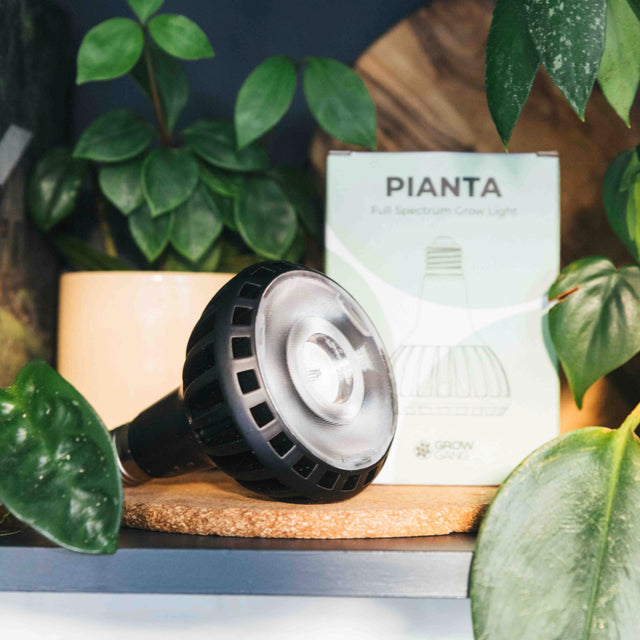
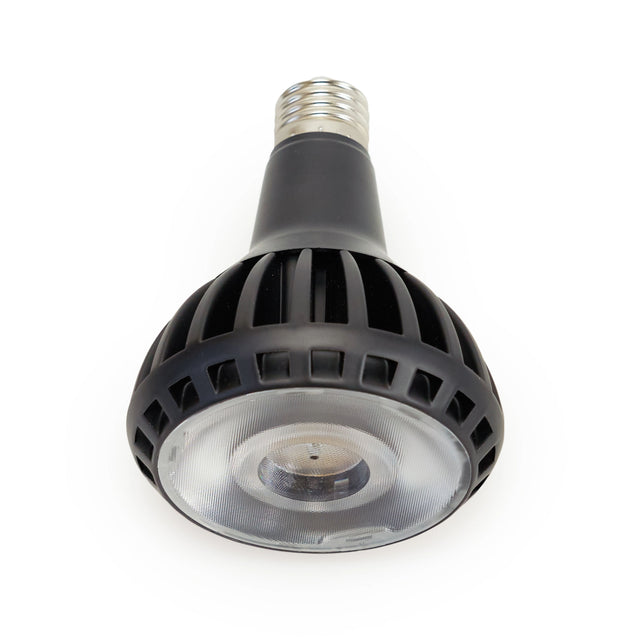
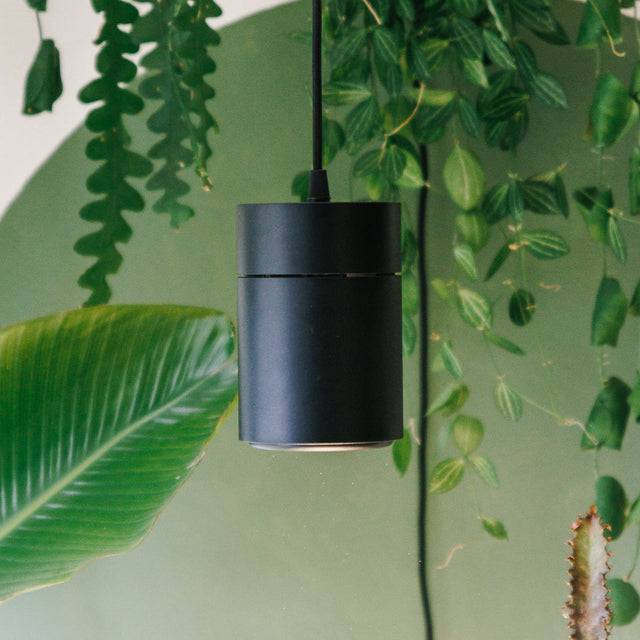
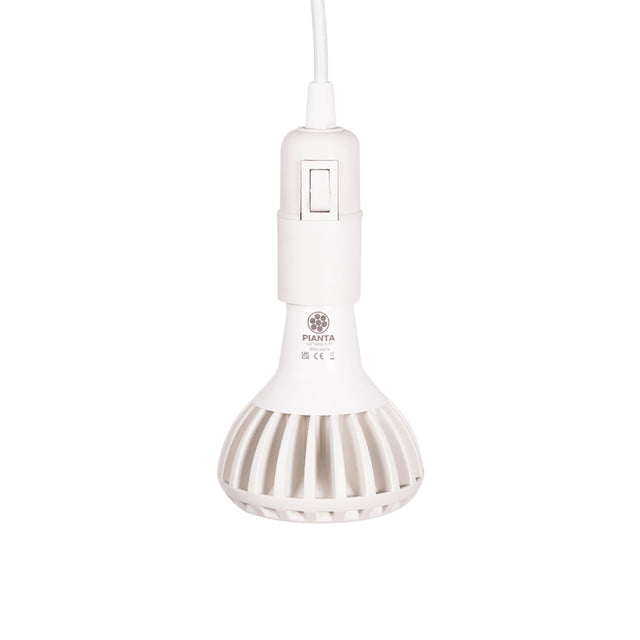
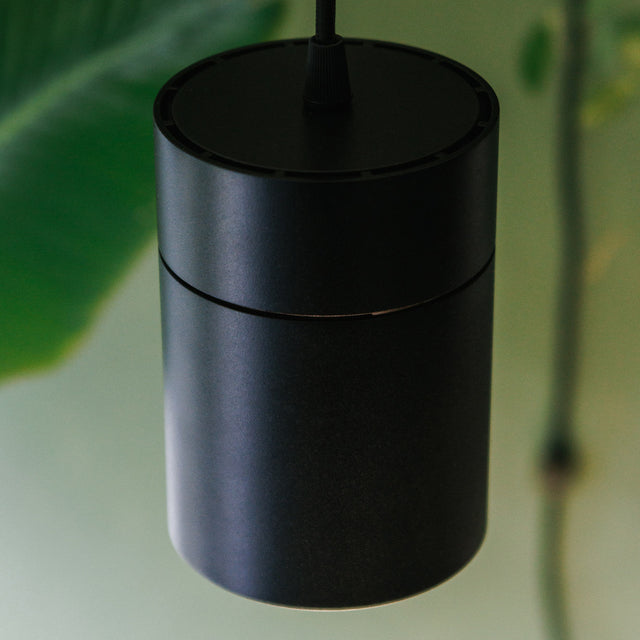
Pianta LED Grow Light Bulb : Black
£35( / )Unavailable -
-
 Sale
Sale

